


Innovative IT Band Stretch Techniques: A Scientific Approach to Relieving Knee Pain
Introduction
Knee pain is a common issue that can make daily activities uncomfortable or challenging. One often overlooked cause of knee pain is tightness in the iliotibial (IT) band—a thick strip of connective tissue running along the outside of the thigh, from the hip down to just below the knee. When the IT band becomes tight or inflamed, it can lead to pain on the outer side of the knee , a condition frequently referred to as IT band syndrome.
Recent research has shown that stretching after exercise can play an important role in relieving knee pain . Clinical studies suggest that techniques like myofascial release combined with stretching can significantly improve knee pain and function, especially in people with knee osteoarthritis (Rahman et al., 2023). Another 2024 study found that using a combination of static stretching and static contraction exercises can reduce pain and help restore knee function (Fitri et al., 2024).
In this article, we’ll break down what the IT band does, why stretching it is beneficial, and share practical, safe ways you can stretch your IT band at home.
What Is the IT Band and How Does It Affect Your Knee?
Understanding the IT band’s role in your body helps explain why stretching can make such a difference. The IT band connects muscles around your hip to the outside of your lower leg, helping stabilize the knee when you walk, run, or move around.
But if this band becomes too tight, it can rub against the knee joint and cause discomfort—especially in runners, cyclists, or anyone who regularly repeats the same leg movements. Tightness can also affect the way your kneecap moves, potentially worsening pain and mobility issues. Importantly, knee pain can be triggered by other factors too, such as overuse, osteoarthritis , obesity , previous injuries, or age (Fitri et al., 2024).
By improving the flexibility of your IT band, you can help it glide smoothly over the knee, reducing friction and easing pain. Stretching is one of the most effective ways to achieve this.
Free non-medical discussion
Not sure what to do next?
Information only · No medical advice or diagnosis.
How to Stretch Your IT Band: Step-by-Step Guide
Proper IT band stretching can relieve tension and help prevent further irritation. Here are two effective stretches you can try at home:
- Standing Cross-Leg Stretch
- Stand tall and cross the leg that feels tight or painful behind your other leg.
- Slowly lean your upper body away from the side of discomfort, reaching toward the opposite side. You should feel a gentle stretch along the outer thigh and hip.
- Keep your back straight and avoid twisting your torso.
- Hold the stretch for 20 to 30 seconds, breathing deeply.
- Repeat three times.
- Side-Lying Leg Lift Stretch
- Lie on your side with the affected leg on top.
- Bend the bottom leg slightly for stability, keeping the top leg straight.
- Slowly lift the top leg backward and down, so you feel a stretch along the outside of your thigh.
- Hold for 20 seconds, then relax.
- Repeat as needed.
These stretches should feel gentle and should not cause pain. If you feel sharp or worsening pain, pause and adjust your position, or seek advice from a healthcare professional.

Making IT Band Stretches Part of Your Routine
Consistency is key to seeing results. Aim to stretch your IT band three to four times a week, preferably after light exercise when your muscles are warm and more receptive to stretching.
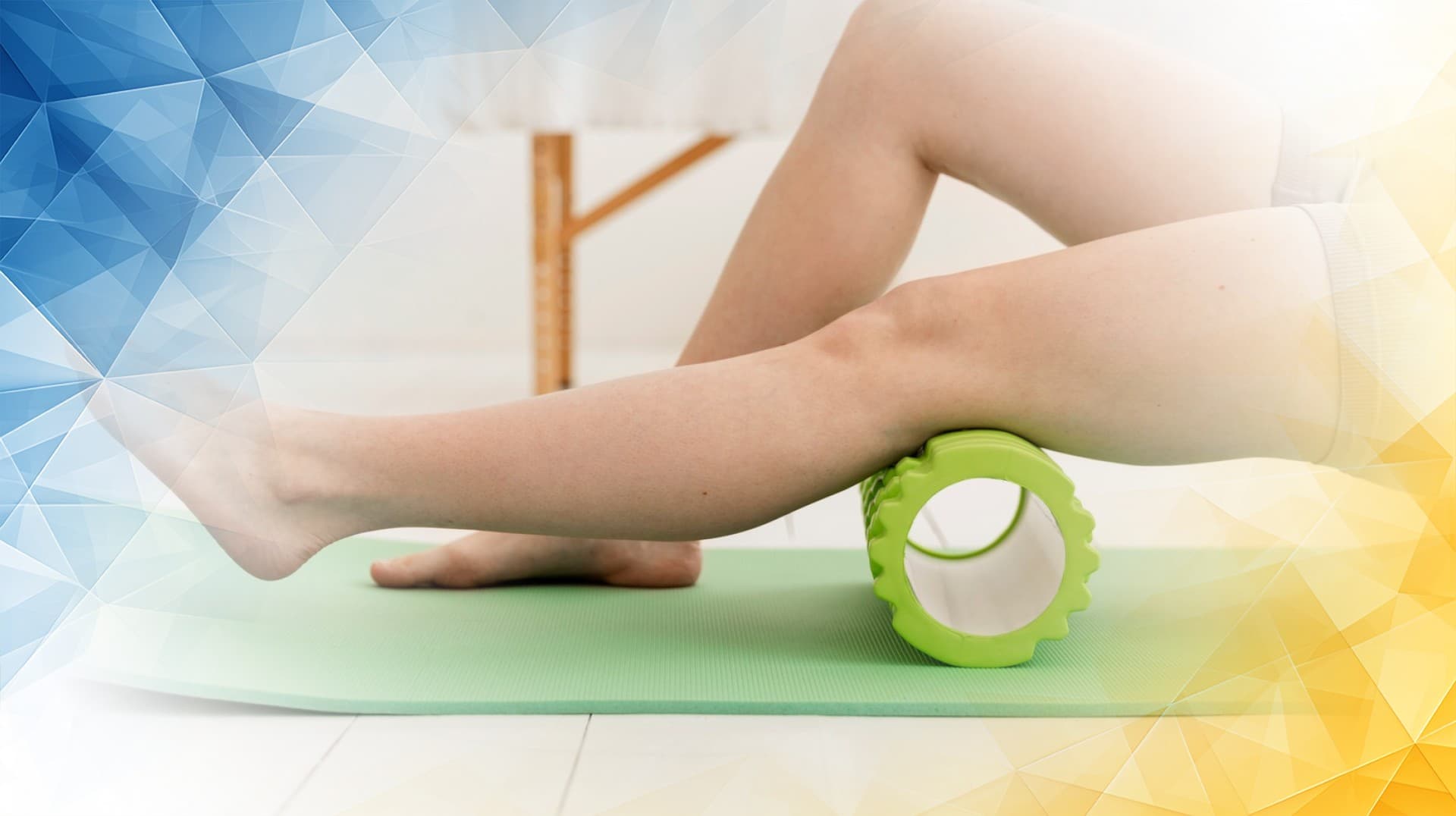
To enhance your recovery and prevent future tightness , focus on strengthening the muscles around your hips and thighs. Movements like side leg lifts or clamshells can address muscle imbalances that contribute to IT band discomfort. Using a foam roller along your thigh before stretching is another great way to release tension and get the most out of each stretch.
Most importantly, listen to your body and avoid pushing through pain. Overstretching can make symptoms worse. If your knee pain persists or becomes severe, a physiotherapist can provide personalized advice based on your needs.
Conclusion
Incorporating IT band stretches, supported by scientific evidence, is a simple and effective way to ease knee pain and promote better movement. Research shows that combining stretching with myofascial release or static contraction exercises leads to notable improvements in both pain and knee function (Rahman et al., 2023; Fitri et al., 2024). By regularly stretching and strengthening supporting muscles , you can manage discomfort and support your joint health for the long term.
Making these stretches a regular part of your routine can help you move more comfortably and confidently. As research continues to evolve, these stretching methods remain a valuable and accessible tool for anyone looking to relieve knee pain and protect their mobility.
References
Rahman, H., Afzal, Z., Ramzan, O., Tauseef, S., Usman, T., Qadeer, S. I., & Maqbool, S. (2023). Effects of Iliotibial Band Myofascial Release with/without Stretching with Iliotibial Band Tightness Secondary to Knee Osteoarthritis. Lahore Medical and Dental College. https://doi.org/10.53350/pjmhs202317273
Fitri, D. T. S., Siwi, K., Waritsu, C., & Putri, F. (2024). The Effect of Static Stretch and Static Contraction on Pain and Functional Ability of Knee Pain Sufferers. Fisio Mu Physiotherapy Evidences, 5(2), 141-145. https://doi.org/10.23917/fisiomu.v5i2.4614
Frequently Asked Questions
- The London Cartilage Clinic specialises in diagnosing and managing knee conditions, including IT band tightness. Prof Lee and the team use evidence-based approaches, such as stretching programmes and advanced rehabilitation, tailored to individual needs. Comprehensive assessments ensure the best plan for each patient, supporting faster recovery and a return to pain-free movement.
- Prof Lee is a highly experienced knee specialist with a strong background in treating sports injuries and knee pain. He applies the latest clinical research and innovative techniques, including myofascial release and rehabilitation strategies, ensuring patients receive expert and personalised care for IT band-related knee issues.
- While regular IT band stretching can relieve mild discomfort, persistent or severe knee pain may need a comprehensive approach. At London Cartilage Clinic, Prof Lee assesses all contributing factors and creates a tailored management plan. This may combine stretching, strengthening, and other therapies, providing effective solutions rooted in clinical evidence.
- Yes, London Cartilage Clinic offers personalised assessments to identify the cause of knee pain, including IT band problems. Prof Lee uses his expertise to craft safe, evidence-based recommendations that match each patient’s lifestyle and health needs, ensuring you receive the most appropriate care for your knee condition.
- Choosing London Cartilage Clinic gives you access to Prof Lee’s specialist knowledge and the latest advances in knee care. The clinic offers individualised treatment strategies and advice, helping patients safely manage discomfort, improve knee function, and maintain an active lifestyle with expert guidance at every step.
Legal & Medical Disclaimer
This article is written by an independent contributor and reflects their own views and experience, not necessarily those of London Cartilage Clinic. It is provided for general information and education only and does not constitute medical advice, diagnosis, or treatment.
Always seek personalised advice from a qualified healthcare professional before making decisions about your health. London Cartilage Clinic accepts no responsibility for errors, omissions, third-party content, or any loss, damage, or injury arising from reliance on this material.
If you believe this article contains inaccurate or infringing content, please contact us at [email protected].
London Cartilage Clinic
Modern treatments, designed for lasting knee outcomes
Every treatment plan is selected to help you return to the quality of life you deserve. Our team combines up-to-date techniques with consultant-led decision making across cartilage repair, regeneration and replacement.
What your journey can look like
Step 01
Consultant-Led Assessment
Symptoms, imaging and goals reviewed in one structured appointment.
Step 02
Personalised Treatment Plan
A clear route chosen from repair, regeneration or replacement options.
Step 03
Precision Delivery
Modern techniques and specialist equipment matched to your diagnosis.
Step 04
Long-Term Knee Health
Follow-up guidance focused on durable function and quality of life.
Will the Arthrosamid work for me
PAAG-8+ Questionnaire
A bright, structured entry point for patients exploring Arthrosamid. The questionnaire helps frame suitability, expectations, and 24-month clinical benefit discussion before a fuller consultant-led review.
Designed for shared decision-making. It does not replace specialist consultation, examination, imaging review, or formal medical advice.